
Career Readiness Is Economic Development: Why CommunitiesMust Invest in People, Not Just Jobs
Updated: 28 minutes ago
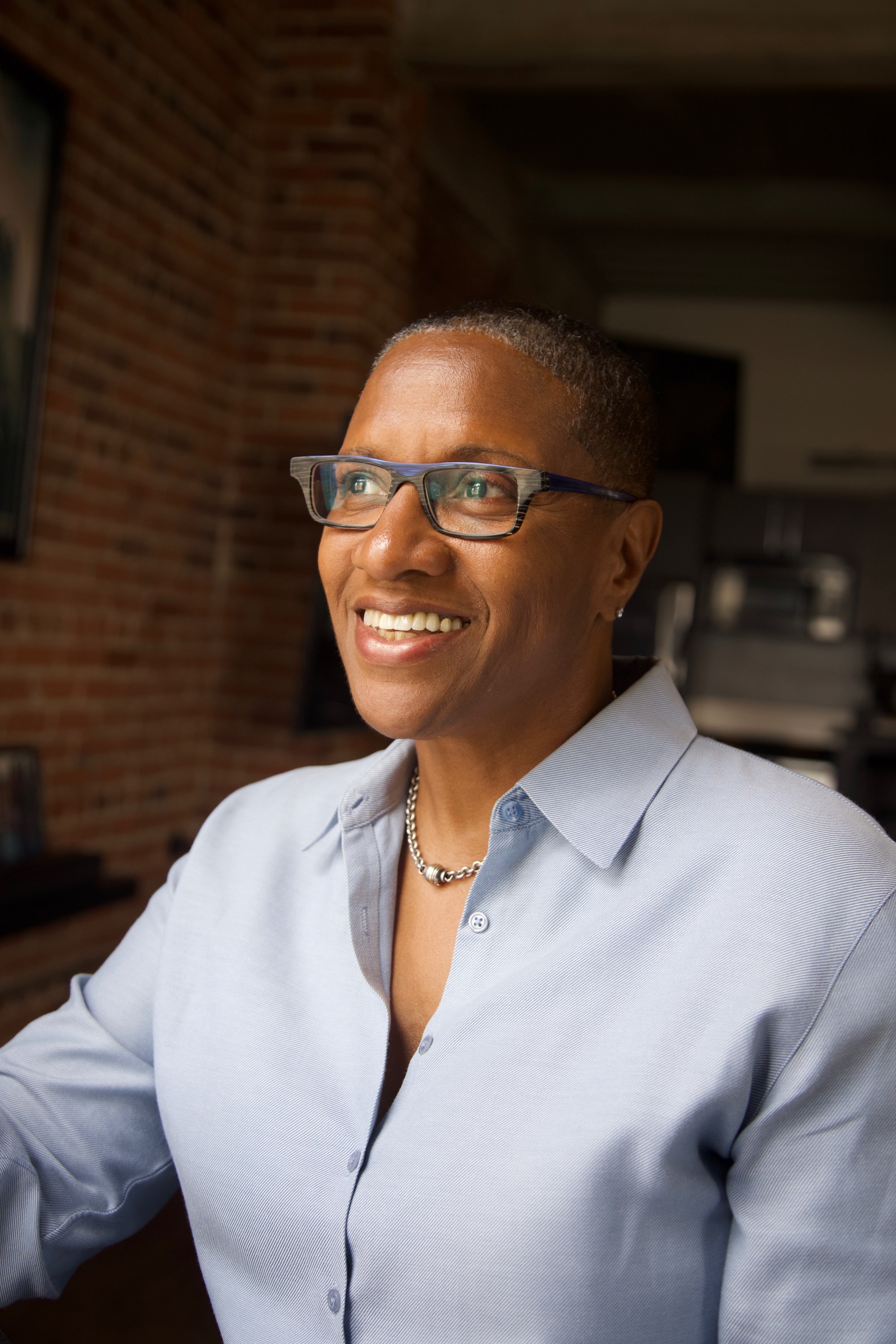
By Dr. Tita L. Gray

For decades, economic development has largely been measured by familiar indicators: businesses attracted, jobs created, unemployment rates, capital investment, and regional growth. Those measures still matter. But in today's rapidly changing economy, they no longer tell the entire story. A community can attract new employers and create thousands of jobs, but an important question remains: Are the people who live in that community prepared to take advantage of those opportunities?
That question brings economic development and career development together in a way that can no longer be ignored. Economic development creates opportunity. Career development prepares people to recognize, access, and capitalize on that opportunity.
And in an economy being transformed by artificial intelligence, automation, restructuring, skills-based hiring, entrepreneurship, and changing expectations about work, career readiness should no longer be viewed simply as an individual responsibility.
Career readiness is an economic development strategy. The Missing Link Between Job Creation and Economic Mobility
Economic development traditionally focuses on strengthening local and regional economies. Communities work to attract employers, retain businesses, support entrepreneurs, expand industries, create jobs, and increase investment. Workforce development then helps employers find people with the skills required to perform those jobs. But there is another critical component: career development.
Career development asks a different set of questions.
• Do individuals understand where opportunities are emerging?
• Can they identify how their skills transfer to new occupations?
• Are they prepared to navigate career transitions?
• Do they have the confidence to pursue advancement?
• Do they know how to build professional relationships and networks?
• Are they continually learning about changes within their industries?
And perhaps most importantly: Do they see themselves as active participants in managing their economic futures? Creating jobs without developing people's ability to navigate the labor market can leave a significant gap between economic growth and economic mobility.
A stronger model connects the two: Economic Opportunity → Career Readiness → Talent Mobility →Increased Earnings → Stronger Communities.
When individuals become more economically mobile, communities benefit.
Why This Matters More Now
The relationship between economic development and career development has become increasingly important because the workplace itself is changing. Artificial intelligence is altering job responsibilities. Automation is eliminating some tasks while creating others. Organizations are restructuring. New industries are emerging. Skills that once remained relevant for decades may now require continuous updating.
At the same time, careers are becoming less linear. A person may move between industries, organizations, occupations, entrepreneurship, consulting, contract work, and traditional employment several times during a working life. That means preparing someone for one job is no longer enough. We must prepare people to navigate continuous change. This requires more than technical training. Individuals also need self-awareness, adaptability, confidence, curiosity, strategic decision-making, professional relationships, and ownership of their career development. In other words, communities need career-ready people, not simply job-ready workers.
Workforce Development and Career Development Are Not the Same
Although the terms are sometimes used interchangeably, workforce development and career development serve different, but complementary, purposes. Workforce development frequently begins with the needs of employers: What skills do businesses need, and how do we prepare enough workers to fill those positions? Career development begins with the individual: How do we prepare people to make informed, sustainable career decisions throughout their working lives? Economic development needs both. Employers need qualified talent. But individuals also need the ability to understand changing labor markets, evaluate opportunities, develop relevant competencies, communicate their value, establish professional relationships, and make strategic career decisions.When those systems work together, economic development becomes more than job creation. It becomes a pathway toward economic mobility.
Five Dimensions of Career Readiness
At Tita Gray Consulting, our Career Readiness framework examines five dimensions that can help individuals successfully navigate today's economy: Clarity, Confidence, Ownership, Curiosity, and Network & Visibility.
These dimensions are not simply career-coaching concepts. Each has broader implications for workforce and economic development.
Clarity
People need to understand who they are professionally, what they offer, where their skills are transferable, and where opportunities exist. Career clarity helps individuals connect their strengths and goals with occupations, industries, and economic opportunities. When communities attract emerging industries, residents should be able to answer: where do I fit into this new economy?
Confidence
Opportunity means little if people do not believe they can pursue it. Career confidence affects whether someone applies for a position, pursues a promotion, changes industries, negotiates compensation, develops a new skill, launches a business, or takes another calculated career risk. Confidence can therefore influence economic mobility.
Ownership
The traditional psychological contract between employers and employees has changed. Organizations cannot guarantee lifelong employment, and individuals cannot rely exclusively on employers to manage their professional development. Career ownership means recognizing: my career is ultimately my responsibility. That includes monitoring
industry changes, developing skills, building relationships, evaluating opportunities, and preparing for transitions before they become necessary.
Curiosity
Curiosity may become one of the most valuable career competencies of the AI era. Career-ready
individuals continually ask:
• What is changing?
• What skills are becoming more valuable?
• What industries are growing?
• How might technology affect my work?
• What opportunities exist that I haven't considered?
Curiosity allows people to discover possibilities before circumstances force them to change.
Network & Visibility
Talent alone does not guarantee opportunity. People also need relationships, professional visibility, mentors, sponsors, industry connections, and access to information. Networks connect individuals to employers, entrepreneurs, community leaders, investors, professional organizations, and opportunities that may never appear in a job posting. From an economic-development perspective, stronger professional
networks can also create stronger regional talent ecosystems.
What If Career Readiness Became an Economic Development Metric?
Imagine if communities measured more than businesses attracted and jobs created. What if they also measured whether residents were becoming better prepared to participate in the economy? Economic-development organizations could examine changes in:
• Career clarity
• Career confidence
• Professional networks
• Workforce adaptability
• Career mobility
• Skills development
• Entrepreneurial readiness
• Access to emerging industries
• Advancement into higher-paying occupations
That would shift an important question from: How many jobs did we create to how many people became better positioned to build sustainable economic futures because of the opportunities we created? That is a fundamentally different definition of economic development.
From Economic Growth to Economic Mobility
Communities do not become economically stronger simply because businesses relocate there. They become stronger when residents can participate meaningfully in that growth. That means economic-development strategies should connect employers, educational institutions, workforce systems, career-development professionals, entrepreneurs, community organizations, and residents. The objective should
not simply be employment. The objective should be mobility.
• Can people move from unemployment to employment?
• From low-wage work to family-sustaining careers?
• From individual contributor to leadership?
• From declining occupations into emerging industries?
• From employment into entrepreneurship?• From career uncertainty into career direction?
Those transitions represent economic development at the human level.
A New Model for Communities
Cities, counties, workforce development boards, chambers of commerce, colleges and universities, employers, and community organizations have an opportunity to rethink how career development fits within their economic strategies. The model can begin with three steps: Assess. Develop. Connect.
- Assess career readiness. Determine where individuals stand across dimensions such as clarity, confidence, ownership, curiosity, and network and visibility.
- Develop career readiness. Provide targeted education, training, coaching, tools, and experiences that address identified gaps.
- Connect people to opportunity. Build bridges to employers, emerging industries, mentors, professional networks, entrepreneurship resources, and advancement opportunities. The result is a workforce that isn't merely trained for today's openings, it is better prepared for tomorrow's economy. In addition, it opens the door to more qualified entrepreneurs.
Career Readiness Is Community Readiness
Economic development ultimately happens through people. Buildings do not innovate. Tax incentives do not build careers. Industries do not grow without human talent. People create businesses, develop ideas, lead organizations, learn new technologies, transition into new industries, build the economic vitality communities are trying to achieve. That is why career development should not sit on the sidelines of economic-development strategy. Economic development creates opportunity. Career development creates the capacity to pursue it.
When we bring the two together, we move beyond simply creating jobs. We create individuals who are prepared to navigate change, seize opportunity, increase their economic mobility, and contribute to the long-term prosperity of their communities. And perhaps that should become one of the most important measures of economic development in the years ahead: Not simply how many opportunities a community creates, but
how prepared its people are to pursue them.
About the Author
Dr. Tita L. Gray is a career and workforce development strategist, executive coach, author and the founder of Tita Gray Consulting. She holds a Doctor of Education with a specialization in career planning and brings 25 years of experience in leadership, education and equity work. She has coached hundreds of new professionals and seasoned executives, is a TEDx presenter, and created CareerQ5™, the Career Readiness Assessment that measures Clarity, Confidence, Curiosity, Ownership and Network & Visibility. Her books include Career Renaissance, a guide for women reinventing their careers. Learn more about Dr. Gray.
Take the most complete Career Readiness Assessment for bold professionals - get your personalized readiness score across clarity, confidence, curiosity, ownership, and visibility in minutes.


Comments